
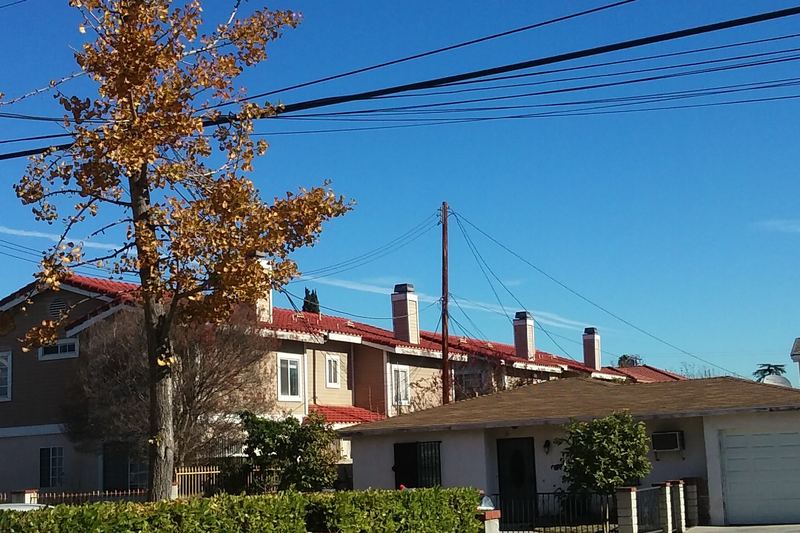
From mission lands to Rose’s Meadow
The area was home to the Gabrieleño (Tongva or Kizh) people before Spanish settlement. In 1771 the first Mission San Gabriel was founded near today’s Whittier Narrows, at the Rosemead–Montebello edge, before it moved north in 1775.
In 1861 Leonard J. Rose and his wife Amanda bought about 500 acres here. Their ranch, known as Rose’s Meadow, raised horses and grew grapes and citrus, and it gave the city its name.
Small farms, then houses
The city’s General Plan describes the area as small farms along with chicken and rabbit ranches. After World War II those parcels filled in with houses. The history of what is now Emma W. Shuey School notes homes near Wells Street and Delta Avenue built around 1946–47.
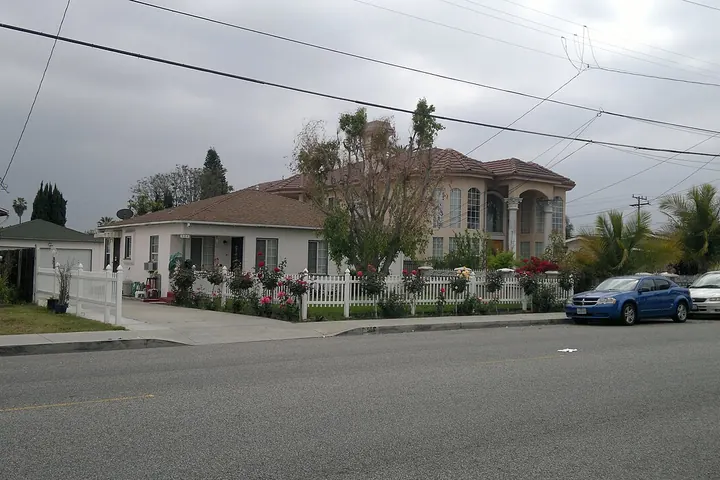

Incorporation in 1959
Rosemead incorporated in 1959 with a population of 15,476. Census-based figures compiled by TownTapestry put about half of the city’s homes as built before then. Across the San Gabriel Valley, the 1950s were the years of the modest one-story ranch tract house.
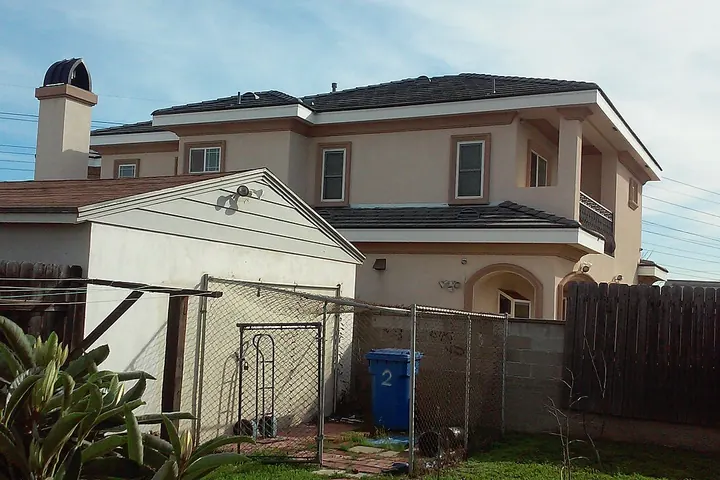

What the City’s numbers say
The City’s 2021–2029 Housing Element, drawing on 2019 Census survey data, counts 51.6 percent of Rosemead’s housing as built before 1960, and nearly 40 percent in the 1940–1959 window alone.
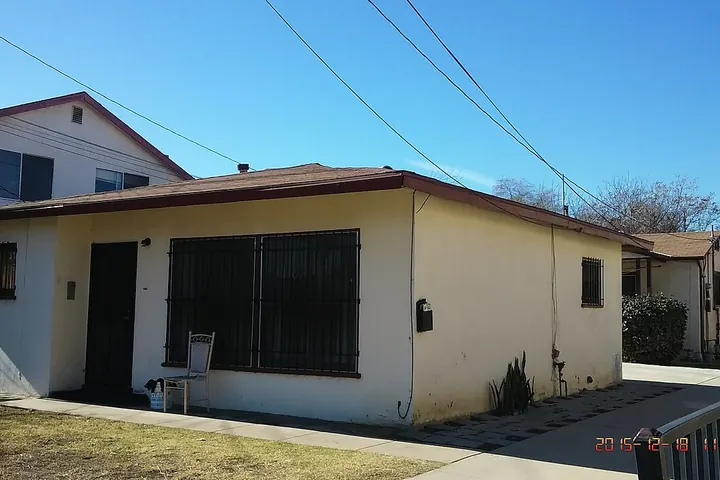

It also reports that single-family homes made up 87.2 percent of units in 2019. Newer Census estimates (2020–2024) put the median year built at about 1959 (Census Reporter). These are citywide estimates, so a given block can run older or newer.
Everyday repairs in a postwar house
Postwar houses share a short list of everyday wear. Here is what to look for in a 1940s–60s Rosemead house, what to try first, and when to hand it off.
Nail pops and ceiling cracks
Early drywall was often nailed rather than screwed. As wood framing dries and shifts over the decades, nails back out and push up small bumps.
- Look for: Small round bumps in a line along ceilings, or cracks running up from door corners.
- Try this first: Press on the bump. If the board moves, the nail has let go. A crack that has stayed the same size for years is usually cosmetic.
- Call when: When there are several in a room, or a crack keeps reopening after paint.
Wall patching and paint touch-ups
Related tips: Nail pops and seam cracks in a postwar ranch house · Making a drywall patch match the textured wall around it · Getting walls ready for a move-out or listing
Doors that rub after decades of settling
Houses settle, and hollow-core doors are light enough that a loose hinge quickly throws them out of line.
- Look for: Scrape marks on the frame, a gap that is wider at the top than the bottom, or a latch that needs a push.
- Try this first: Tighten every hinge screw. If one spins, the hole is stripped.
- Call when: When tightening doesn’t fix it or the screws won’t hold. We rebuild stripped holes and adjust the door.
Related tips: Hollow-core doors: holes, sags and latch trouble · Sliding closet doors that jump the track or drag · Sealing drafty exterior doors · Aluminum sliding windows and screens that stick
Stiff shutoff valves and low flow
Older homes can still have galvanized supply pipe, which builds up scale inside over time, and original shutoff valves that are rarely turned.
- Look for: Weak flow at one tap, or a valve handle you can’t turn by hand.
- Try this first: Unscrew and rinse the faucet aerator. Leave a stuck valve for us rather than forcing it.
- Call when: When the flow is still weak after an aerator cleaning, or a valve weeps or won’t move. A new cartridge, faucet or quarter-turn shutoff usually sorts it.
Related tips: Tracking down a leak under the sink · A toilet that runs, hisses or refills on its own · Hard water scale on faucets, aerators and shower heads
Nearby: common repairs in older Alhambra homes and common repairs in older San Gabriel homes.
Two-prong outlets and light-only boxes
Grounded outlets became standard in new homes in the early 1960s, so older houses often still have some two-prong outlets. Ceiling boxes from that era were made for lights, not the weight and motion of a fan.
- Look for: Outlets with no round ground hole, or a ceiling fixture held up by a thin metal strap.
- Try this first: A plug-in outlet tester shows whether an outlet is grounded and wired correctly.
- Call when: When you want worn outlets replaced or a new fan or light in place of the old one. We test each box and swap in the right device.
Related tips: When an outlet goes dead or a breaker keeps tripping · Garage and backyard outlets that trip, corrode or quit · Smart switches in older Rosemead homes: the neutral wire question
Original bathroom tile and grout
Some mid-century bathrooms still have their original tile. Matching colors can be hard to find, so keeping it in good shape matters.
- Look for: Missing grout, open caulk lines at the tub, or hairline cracks in a tile.
- Try this first: Tap tiles lightly. Hollow sounds can mean loose tile; solid sounds with a hairline crack are usually cosmetic.
- Call when: When the caulk line at the tub or the grout has cracked open. Fresh caulk and grout keep water away from that original mid-century tile.
Related tips: Replacing cracked, moldy caulk around the tub and sink · Replacing an old recessed medicine cabinet
Questions about Rosemead houses
How old are most houses in Rosemead?
The City's 2021–2029 Housing Element counts 51.6 percent of Rosemead's housing as built before 1960, with nearly 40 percent in the 1940–1959 window alone. Newer Census estimates (2020–2024, via Census Reporter) put the median year built at about 1959. Those are citywide numbers, so a single block can run older or newer.
Why do nails pop up in ceilings and walls of postwar Rosemead houses?
Early drywall was often nailed instead of screwed. As the wood framing dries and shifts over the decades, nails back out and push up small round bumps. If the board moves when you press a bump, that nail has let go. A crack that has stayed the same size for years is usually cosmetic.
Does an older Rosemead house still have two-prong outlets?
Often some of them. Grounded outlets became standard in new homes in the early 1960s, so houses built before then can still have ungrounded ones. A plug-in outlet tester shows whether an outlet is grounded and wired correctly. We swap worn outlets in the box that is already there, and anything that needs new wire gets a free estimate.
Is it worth keeping the original tile in a mid-century bathroom?
Many owners do, since matching those colors is hard. Tap the tiles lightly: a hollow sound can mean a loose tile, while a solid tile with a hairline crack is usually cosmetic. Fresh grout and caulk at the tub keep water away from the original tile.
Sources
- City of Rosemead 2021–2029 Housing Element, Tables 25 and 27 (housing type and age, 2019 ACS)
- U.S. Census Bureau, American Community Survey 2020–2024, via Census Reporter (median year built)
- City of Rosemead General Plan Update, history section (incorporation 1959, population 15,476; small farms, chicken and rabbit ranches; Rose’s Meadow)
- Los Angeles Times, Sept. 13, 1996, on Leonard J. Rose’s 500-acre purchase in 1861
- TownTapestry, Rosemead history page (Mission founding 1771 and move in 1775; share of homes built before 1959)
- Emma W. Shuey School, History of Rosemead (homes near Wells School built circa 1946–47)
- PBS SoCal, “Home on the California Range: Ranch Housing in Postwar America”