
Flat-pack furniture, built right and anchored
Flat-pack furniture goes together best with the right tools, a clear space and patience with the instructions. Anything tall, like a dresser, bookcase or wardrobe, should be anchored to a wall stud so it cannot tip over. Use the strap that came in the box.

Rosemead households buy a lot of flat-pack furniture: beds, dressers, wardrobes, desks, bunk beds and shelving. It arrives in heavy boxes with hundreds of parts, and assembling it can eat a whole weekend.
Why anchor furniture
Tall dressers, bookcases and TV stands can tip over, especially when children climb on them or open drawers. The U.S. Consumer Product Safety Commission reports tip-over injuries and deaths every year.
In Rosemead and the rest of the San Gabriel Valley, earthquakes add another risk. Federal rules now require new clothing storage units to meet stability standards and come with anchoring hardware.
Bunk beds and lofts
Bunk beds need every bolt tight and guard rails installed correctly. We check them at the end and show you which bolts to retighten every few months.
Before you start
Flat-pack furniture comes with many parts, and missing one can stall the job. Open the box on a rug or the flattened carton to protect parts and floors. Sort hardware by type and count it against the parts list.
Read the instructions through once before starting, noting which side panels face which way. Most assembly mistakes come from flipping a panel with the finished side inward.

- Get the boxes into the room where the furniture will go, if possible.
- Clear floor space roughly twice the size of the finished piece.
- Check that all boxes arrived; large items sometimes ship in several.
Tools
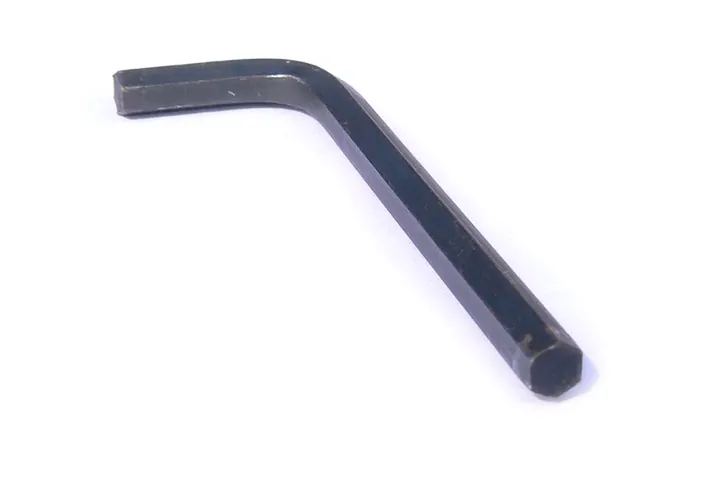
A screwdriver with the right bit, a rubber mallet, and a level do most jobs. A cordless drill on a low clutch setting speeds assembly, but set it low; overdriving screws into particleboard strips the hole. Cam locks are tightened by hand until snug. Wood dowels go in with a little glue if the instructions call for it.
Sturdy results
Assemble on a flat surface. Square the frame before attaching back panels; measuring the diagonals is the easiest check, since equal diagonals mean square. Back panels hold furniture square, so nail or screw them every few inches. Retighten screws after a week once the furniture settles.
How to anchor
Our steps:
- Find a stud behind the furniture with a stud finder
- Attach the anti-tip strap or bracket to the furniture's top back
- Screw the wall bracket into the stud
- Connect the two and snug the strap
- Test by pulling gently forward
If a stud is not where needed, use anchors rated for the load. On plaster walls, we drill carefully to avoid cracks. TV stands and the TV itself both need securing.
TVs and electronics
Flat-screen TVs on stands should be strapped to the wall or stand. Mounted TVs need proper mounts into studs. See TV mounting on ranch house walls.
Shelves and cabinets
Open shelves can spill items in an earthquake. A lip on the front edge, museum putty under decorative items, and latches on cabinet doors help. See kitchen cabinet hinges and drawer slides.
Beds and cribs
Common furniture problems

- Wobbly tables: tighten hardware, add felt pads, or adjust leveling feet
- Sagging shelves: add a center support or replace with thicker shelves
- Loose drawers: tighten slides and screws
During assembly itself, the usual problems are:
- Stripped cam locks or screws from overtightening with a drill
- Panels installed backward, so holes do not line up later
- Drawers that do not slide because the frame is out of square
- Doors that do not line up because hinges need adjusting
We use the right drivers, set clutch settings low and check the frame is square before adding drawers and doors.
Garage storage
Freestanding shelves in garages also need anchoring. See garage shelving and storage.
Office furniture
Desks, chairs and filing cabinets need assembly too. Filing cabinets tip when several drawers are open at once; anchor them or use the interlock. Standing desks have motors and wiring, and the frame must be square for smooth movement. Monitor arms clamp to desks and should be rated for the weight.
Outdoor furniture
Patio furniture and storage boxes need assembly with rust-resistant hardware. Umbrellas need heavy bases. In Santa Ana winds, lightweight furniture can blow around; store it or secure it.
Mounting shelves and mirrors
Wall shelves and mirrors need anchors or studs. Heavy mirrors should be secured with two hangers.

Disposing of packaging
Flat-pack boxes produce a lot of cardboard and foam. Break down boxes for recycling. Rosemead residents can arrange bulky item pickup through the city's waste hauler.
Wall types
Most Rosemead homes have drywall over wood studs. Some have plaster in older rooms. Brick or block walls need masonry anchors. Know your wall type before drilling.
Keep the instructions and spare hardware in a labeled bag taped inside the furniture. They help when moving or tightening it later.
If a piece arrives damaged, stop and photograph it before assembly; most retailers replace parts faster when the damage is documented.
How we assemble and anchor
We unpack, assemble, square and adjust, and anchor tall pieces. See mounting and assembly.
When you want it done for you, our mounting and furniture assembly page lists the jobs we take and what to send for a quote. More on the houses themselves: repair notes for postwar Rosemead homes.
Moving into a new place in Rosemead? Once the boxes are flat, the small restaurants along Valley Boulevard are worth exploring.
Need a hand with this?
Call or text (310) 628-9399, Mon–Sat 8:30 AM–7 PM. A photo is usually enough for a free estimate.
Call or text for a free estimate