
In short
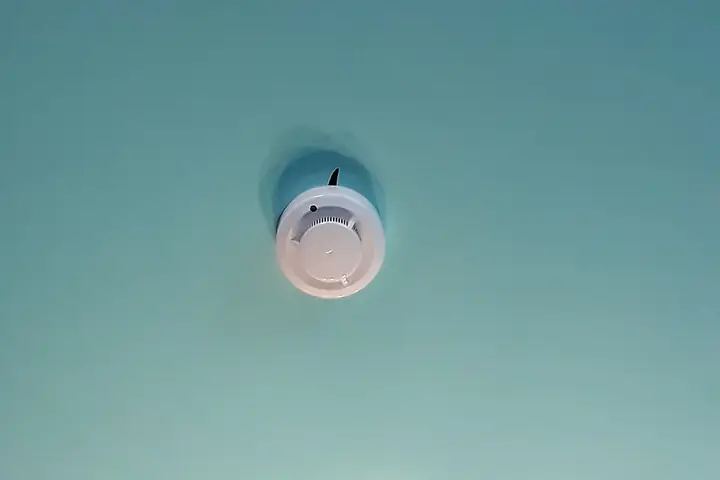
We swap old smoke and carbon monoxide alarms like-for-like, battery-only or hardwired with backup, and test each one. We check the manufacture date on every unit, since sensors wear out, and make sure there’s a CO alarm outside sleeping areas.
Your photo checklist
- Each alarm on the ceiling or wall
- The date label on the back of each
- Whether it has wires going into the ceiling
- A rough sketch of bedrooms and hallways
- The alarm that keeps chirping
Covered on a Rosemead visit
- Nine-volt units traded for ten-year sealed models
- Ceiling-wired units changed on the same plug-in harness
- CO protection added near bedrooms and per story
- One combined unit where a hallway only has room for one
- Beeping or phantom-tripping units found and pulled
- A date sticker on each new unit and the old ones taken with us
Outside what we take on
- Roof and foundation repairs.
- Opening framing or the roofline to reach a new fixture location.
- Projects big enough to need a general contractor.
Rosemead houses and the alarm rules
Census figures put the median year built for Rosemead homes at 1959, so most houses here went up long before alarms were wired in at construction. What hangs on the hallway ceiling now is usually a battery unit added by some past owner. Under state law (HSC 13113.7), each home needs smoke alarms approved by the Fire Marshal, and a battery model counts so long as no city ordinance forbids it.
Battery-only units sold in California after mid-2014 carry a sealed cell meant to run a decade; HSC 13114 made that a listing condition. CO coverage comes from a 2010 state act aimed at houses that burn gas or wood or have a garage attached. Gas heat, a gas water heater or a gas range is standard in Rosemead, so nearly every house here qualifies.
How an alarm visit goes
Room count
Bedrooms, halls and stories get tallied, and we flip each existing detector to read its date.
Replace and fill gaps
Out-of-date units come down; new ones go up, plugged into the existing harness on wired ceilings.

Linked-set check
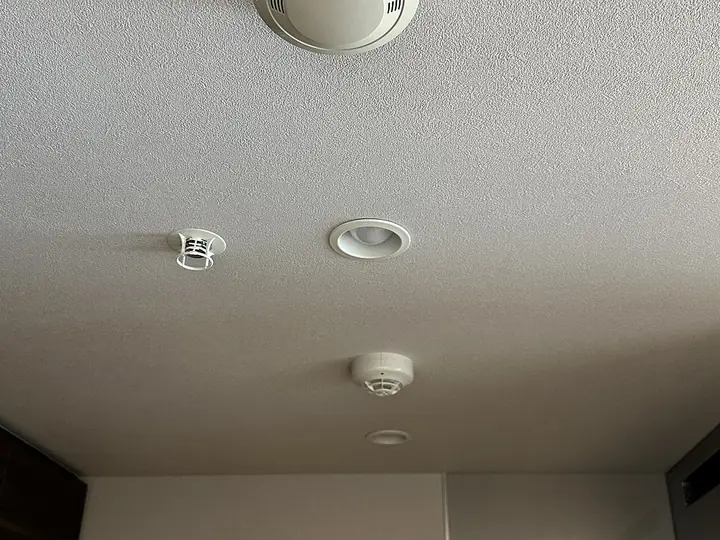
Where units are wired together, we trip one and listen for the rest.
Your test
You press a test button yourself so you know the sound, and the install month goes on each base.
Bigger jobs, free estimate
A wired detector in a room with no wiring, or anything tied to a monitored fire panel, is a bigger electrical job with its own free estimate. We put in battery units and wired swaps, and new wired locations with a free estimate.
While we’re out for this, Rosemead customers often add outlet, switch and GFCI replacement, light fixture replacement, doorbell and video doorbell installation or ceiling fan replacement.
What to text
Photos of your current detectors (the back label helps), bedroom and story count, and whether you cook or heat with gas or park in an attached garage.
Smoke and CO alarm questions
Why does my smoke detector only chirp at night?
Batteries lose voltage as the house cools overnight, which trips the low-battery chirp. Replace the battery, or the alarm if it is near ten years old.
How long do smoke alarms last?
Most need replacing about every ten years. The date is printed on the back.
Where should the alarms go?
Put a smoke alarm in every bedroom, one in the hall outside them and one on each floor, as the CPSC advises. CO alarms go on each floor and near the bedroom hall.
Why does my alarm chirp after a new battery?
Most newer units beep that way when they reach end of life. Flip it over: if the date is ten years back, it is done.
Can a CO alarm go in the kitchen?
Better not. The CPSC’s CO guide steers them away from cooking areas and from right over a furnace or heater.

Should my alarms be linked?
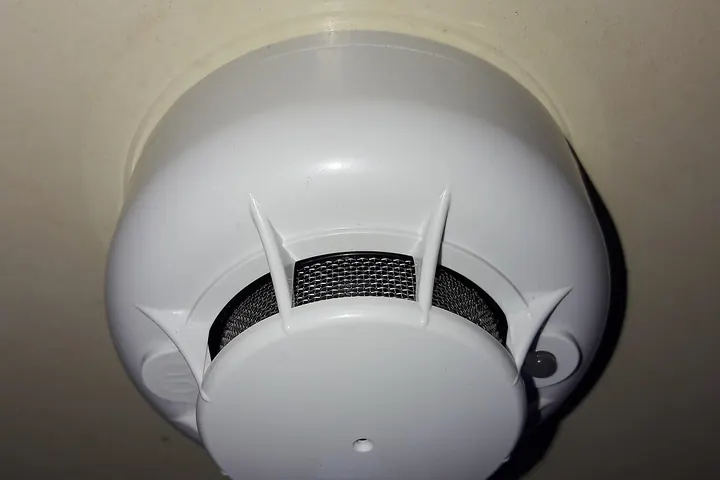
Yes if you can. Linked units all go off together, which federal safety staff call the best setup.

Does the test button check the sensor?
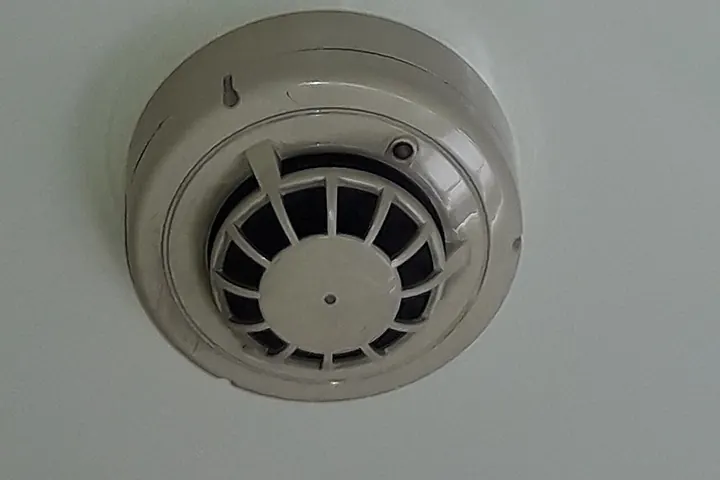
Only the electronics. The sensor itself ages, which is why each unit has a swap-by date.
How often should I test?
Once a month, by holding the button until it sounds.
Can I mix brands on a wired system?
Usually not. Linked systems tend to be brand-specific. We stick with your brand or change the whole group.
Do you install in rentals?
Yes. California puts upkeep of alarms in a leased house on the owner, so turnover between tenants is a good time to book.
Will a combination unit save space?
Yes. In a short Rosemead hallway, one dual unit often does the work of two.
Do you take the old alarms?
They go out with us, along with the packaging.
What does it mean when a CO detector beeps 3 times?
Beep patterns differ by brand, so check the label or manual. If the pattern means carbon monoxide, get everyone outside and call 911 from there.
Where should a carbon monoxide alarm go in a house?
Outside each sleeping area and on every level, following the maker’s instructions for distance from fuel-burning appliances.
Jobs that pair with this one
- Senior home safetySafety updates for older parents.
- ChildproofingSafety for small kids.
- Fall home maintenanceTest alarms as part of the season list.
- Electrical repairsMore electrical repairs.
Serving Alhambra or San Gabriel too? See our page on smoke detector installation in Alhambra and the one on smoke and carbon monoxide alarms in San Gabriel.
Safety tips for Rosemead homes
- When an outlet goes dead or a breaker keeps trippingWhy outlets in Rosemead's older homes go dead, how to check breakers and GFCIs safely, and when an outlet needs replacing.
- Simple fixes that help the house handle summer heatRoutine repairs and upgrades that help a Rosemead ranch home stay cooler in summer, from ceiling fans and door seals to window coverings and bath fans.
Jobs like this one are everyday work for our Rosemead handyman service, from the blocks off Garvey Avenue to the streets near Rosemead Park. A photo by text gets you a quote first.
Part of electrical repairs. You can also browse all our services or read about repairs in postwar Rosemead homes.
Sources for the figures on this page
- U.S. Census Bureau, ACS 2020–2024 5-year, Median Year Structure Built (B25035), Rosemead city
- California Health and Safety Code section 13113.7
- California Health and Safety Code section 13114
- California Health and Safety Code, Carbon Monoxide Poisoning Prevention Act of 2010
- U.S. Consumer Product Safety Commission, CO Alarms
- U.S. Consumer Product Safety Commission, Carbon Monoxide Fact Sheet